ch
ch English
In 2026, tightening industry regulations mandate full-process traceability and zero-defect control across lithium battery production. CO₂ inline laser marking equipment and AI deep-learning visual inspection systems have gained widespread adoption. Wide-format dual-station automated coil processing machines become the preferred upgrade solution for leading battery manufacturers. Market demand continues to surge for integrated suppliers capable of delivering combined laser and vision solutions.
Driven by simultaneous expansion of domestic new energy vehicle and energy storage sectors, China’s total lithium battery production capacity has exceeded 3,000 GWh, with supporting equipment market size surpassing RMB 8 billion and annual compound growth rate above 20%. Following the enforcement of national power battery traceability regulations, full-lifecycle material traceability and zero-defect surface inspection for cells, separators and insulating films have become compulsory requirements for power battery manufacturers. Traditional manual visual inspection and basic single-channel laser equipment can no longer satisfy current mass-production standards, triggering concentrated demand for production line upgrades.
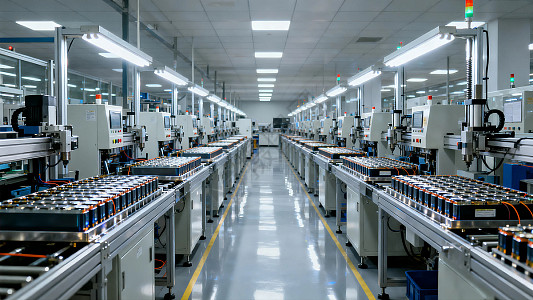
From the perspective of complete lithium battery workflows, automated quality control equipment is required for three core phases: front-end electrode coating, mid-stage cell sealing, and back-end module PACK assembly. Leading mass-production lines have formed standardized configurations: CO₂ inline laser marking equipment operating in tandem with multi-station AI visual inspection systems.
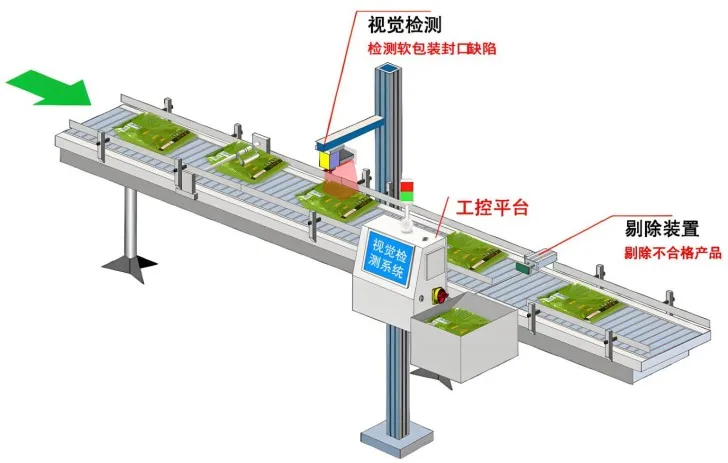
Laser equipment continuously engraves QR codes and batch codes on coil materials to enable full-lifecycle traceability of individual components. Meanwhile, AI vision systems conduct comprehensive detection including dimensional measurement, surface scratch identification, coating foreign particle inspection and incomplete marking verification. The coordinated operation of two types of equipment creates a closed loop integrating production and quality inspection.
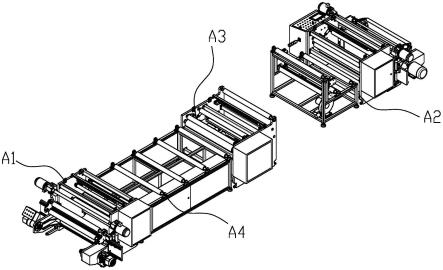
In terms of equipment upgrading trends, wide-format coil-compatible machines and alternating dual-station models represent the mainstream upgrade route. Conventional single-station equipment requires line shutdown during loading and unloading, resulting in equipment utilization of only around 60%. Dual-station machines support simultaneous processing and material handling, lifting effective production time by 40%, substantially cutting labor costs and raw material loss caused by defective outflow.
Looking at the global market, continuous capacity expansion by top domestic battery enterprises together with new lithium battery factories under construction across Southeast Asia generate dual growth opportunities, pushing up orders for integrated laser & vision solutions.
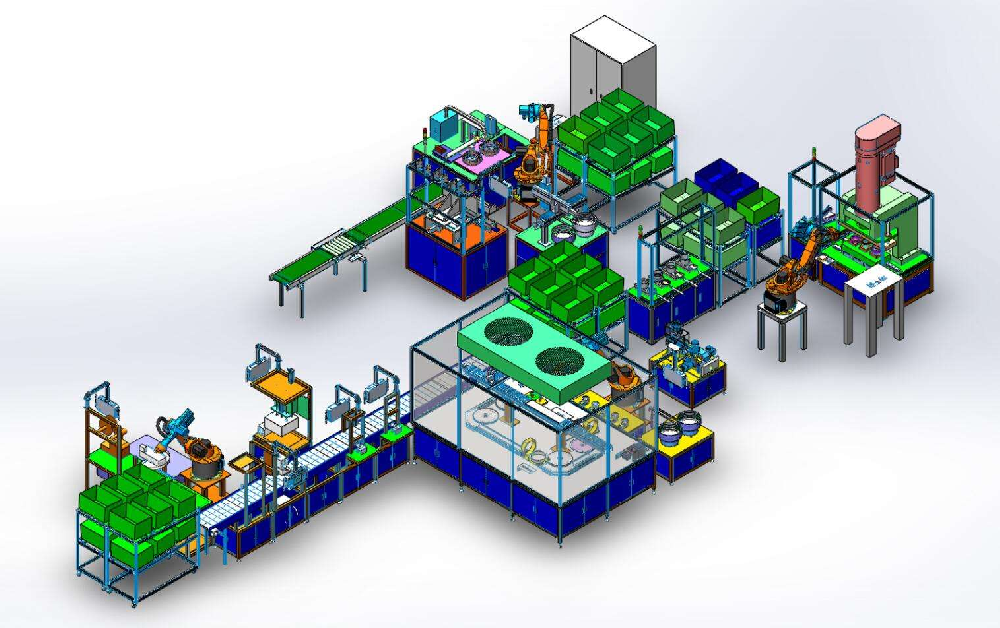
The competitiveness of suppliers offering standalone laser or vision equipment continues to weaken. Comprehensive automation providers with independent R&D capabilities for laser machinery, AI vision algorithms and full-line system integration can better meet battery manufacturers’ demand for one-stop procurement, achieving steady growth in market share.